
Skin rejuvenation is an ever-evolving field of dermatology that encompasses a range of treatments designed to revitalise and restore the youthful appearance of skin. In recent years, a technique known as microneedling has emerged as a revolutionary method for helping individuals achieve smoother, firmer, and more radiant skin. This minimally invasive procedure is becoming increasingly popular amongst those seeking an effective solution to a variety of skin concerns, without the need for more aggressive surgical interventions.
Understanding Microneedling
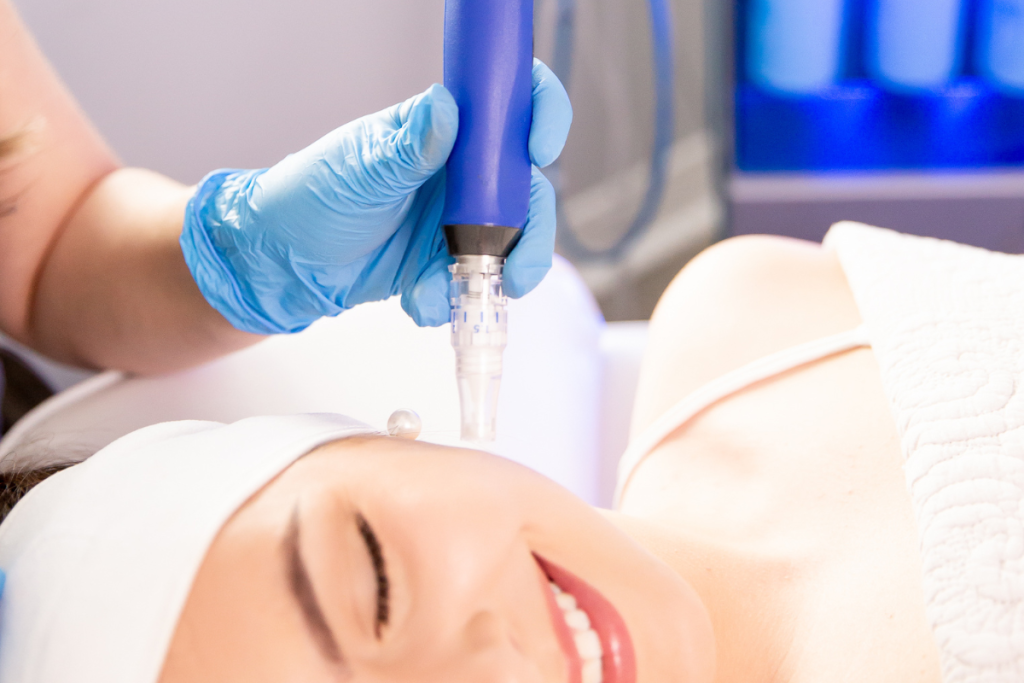
Microneedling, also known as collagen induction therapy, involves the use of a specialised device, commonly referred to as a microneedling pen. This device is equipped with fine, sterilised needles that create tiny punctures in the top layer of the skin. These controlled micro-injuries stimulate the body’s natural wound healing processes, including the production of collagen and elastin, which are essential components of healthy, firm skin.
The Benefits of Microneedling
One of the many benefits of microneedling is its versatility. It can address a wide array of skin concerns, such as fine lines and wrinkles, scars from acne or surgery, stretch marks, and loss of skin firmness. Additionally, the procedure encourages the skin to rejuvenate itself, meaning that results can improve over time as new collagen and elastin form. This non-surgical approach to skin rejuvenation is suitable for all skin types and has a lower risk of hyperpigmentation, especially in darker skin tones, unlike some other resurfacing methods.
Microneedling Procedure and Expectations
The procedure typically begins with a consultation with a licensed skincare professional who will assess the individual’s skin and discuss the desired outcomes. During the actual treatment, a topical numbing cream is usually applied to the targeted area to ensure comfort. The microneedling pen is then gently moved across the skin, creating thousands of microscopic channels. While the procedure can cause some redness and sensitivity initially, these side effects are generally short-lived, with most people able to return to their normal activities within a day or two.
The amount of sessions required can vary from patient to patient, depending on their specific skin concerns and goals. Results can be seen after just one session, but multiple sessions are often recommended for optimal outcomes. Regular maintenance treatments are also common practice to sustain the rejuvenating effects.
Aftercare Following Microneedling
Following a microneedling session, it is crucial to adhere to an appropriate aftercare regimen to maximise the treatment benefits and reduce the likelihood of adverse effects. Post-procedure care often involves using gentle skincare products, staying hydrated, and avoiding direct sun exposure or using a broad-spectrum sunscreen to protect the skin from UV damage. Patients are also advised to steer clear of certain activities and products that could irritate the skin for a period of time.
Choosing the Right Microneedling Pen
Not all microneedling devices are created equal. The efficacy of the treatment is heavily reliant on the quality of the microneedling pen used. Superior devices offer adjustable needle lengths to cater to different skin types and conditions, ensuring that the treatment is as effective and comfortable as possible. They are often exclusively available through licensed professionals, making it essential to choose a reputable practitioner who uses high-quality equipment.
The Science Behind the Technique
The science of microneedling is backed by numerous studies which show that the induced micro-injuries lead to a cascade of healing responses, including the remodelling of existing collagen and enhanced deposition of new collagen and elastin fibres. This process helps to strengthen the skin’s structural integrity, thus reducing the visible signs of ageing and improving the overall quality of the skin.
Microneedling vs Other Skin Rejuvenation Techniques
When compared to other skin rejuvenation techniques, such as chemical peels, laser treatments, or dermabrasion, microneedling offers certain advantages. It is generally more affordable, has fewer side effects, and has a quicker recovery time. Moreover, while results from more aggressive procedures can be significant, they also come with greater risks and longer downtime, which is not an issue with microneedling.
Combining Microneedling with Other Treatments
Microneedling can also be combined with other treatments and skincare products to enhance results. For instance, the application of topical serums during or after microneedling can be more effective, as the active ingredients can penetrate deeper into the skin through the micro-channels. Such combinations should be done under professional guidance to ensure compatibility and safety.
In conclusion, microneedling is a marvel in the realm of skin rejuvenation due to its simplicity, efficacy, and minimal downtime. It is a testament to the advances in cosmetic dermatology and offers a tangible solution for those seeking improvement in skin texture, firmness, and overall appearance. By choosing a qualified practitioner who utilises a top-grade microneedling pen and following a proper aftercare routine, individuals can look forward to witnessing the transformative effects of this cutting-edge technique.